
Introduction
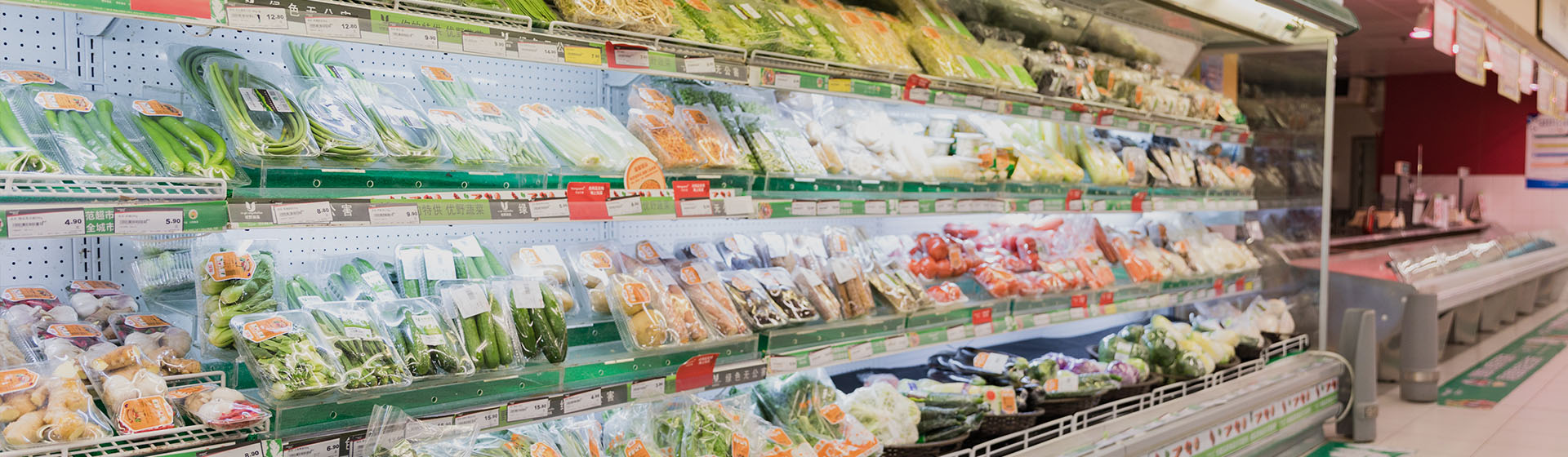
For deli shops, supermarkets, and convenience stores, controlling costs while maintaining product quality is a constant challenge. Refrigeration equipment represents a significant investment, and choosing the right solution can directly impact profitability. Affordable deli cabinets provide an effective way for store owners to reduce upfront and operational costs while still delivering reliable performance, attractive product displays, and food safety compliance.
This article explores how budget-friendly deli cabinets can help businesses maximize savings, improve efficiency, and maintain high standards in food retail environments.
The Strategic Role of Deli Cabinets in Retail
Deli cabinets are far more than simple refrigeration units. In modern retail environments, they function as both preservation systems and sales tools. A well-designed deli cabinet not only maintains optimal temperature and hygiene conditions but also enhances product visibility, directly influencing customer purchasing behavior.
Retailers rely on deli cabinets to present meats, cheeses, salads, and ready-to-eat meals in a way that communicates freshness and quality. At the same time, these cabinets must operate efficiently under continuous use, often in high-traffic environments. This dual function—preservation and presentation—makes selecting the right cabinet a strategic decision rather than just a procurement task.
Affordable options have evolved significantly in recent years, offering many of the same core benefits as premium models, making them increasingly attractive for cost-conscious buyers.
Why Affordable Deli Cabinets Make Business Sense
Choosing affordable deli cabinets does not mean sacrificing performance. In fact, many modern cost-effective models are engineered to deliver strong value through optimized design and essential functionality.
● Lower Initial Investment: Budget-friendly cabinets reduce capital expenditure, allowing businesses to allocate funds to inventory, marketing, or store expansion.
● Faster Return on Investment: Lower purchase costs combined with efficient operation shorten the payback period.
● Competitive Product Display: Even affordable cabinets are designed with clear glass panels and LED lighting to enhance product appeal.
● Reduced Operating Costs: Many models include energy-saving compressors and insulation systems that help lower electricity bills.
● Simplified Maintenance: Cost-effective designs often focus on reliability and ease of servicing, reducing downtime and repair expenses.
For small and medium-sized retailers, these advantages can significantly improve financial flexibility and operational resilience.
Key Features to Look for in Affordable Deli Cabinets
Not all affordable deli cabinets are created equal. To maximize value, buyers should focus on features that directly impact performance, efficiency, and usability.
● Efficient Temperature Control: Stable cooling systems ensure food safety and extend shelf life.
● LED Lighting Systems: Energy-efficient lighting improves visibility while minimizing power consumption.
● Adjustable Shelving: Flexible configurations allow retailers to display a variety of products effectively.
● Durable Materials: Stainless steel interiors and tempered glass fronts enhance longevity and hygiene.
● Compact Yet Functional Design: Space-saving structures are ideal for smaller stores without compromising display capacity.
By prioritizing these features, businesses can ensure that affordability does not come at the expense of functionality.
Balancing Cost and Performance
One of the most important considerations when selecting deli cabinets is finding the right balance between price and performance. While premium models may offer advanced features such as smart monitoring systems or multi-zone cooling, many businesses do not require these capabilities for daily operations.
Affordable deli cabinets focus on core performance metrics—temperature stability, durability, and display effectiveness. For many retailers, these are the most critical factors influencing both product quality and sales.
Instead of paying for unnecessary features, businesses can achieve better value by selecting cabinets that align with their actual operational needs.
Energy Efficiency as a Cost-Saving Driver
Energy consumption is one of the largest ongoing expenses associated with refrigeration equipment. Modern affordable deli cabinets are increasingly designed with energy efficiency in mind, helping businesses reduce long-term operating costs.
Features such as high-efficiency compressors, improved insulation, and optimized airflow systems contribute to lower energy usage. In addition, LED lighting significantly reduces electricity consumption compared to traditional lighting systems.
Over time, these energy savings can offset the initial purchase cost, making affordable cabinets an even more attractive investment.
Space Optimization and Store Layout Integration
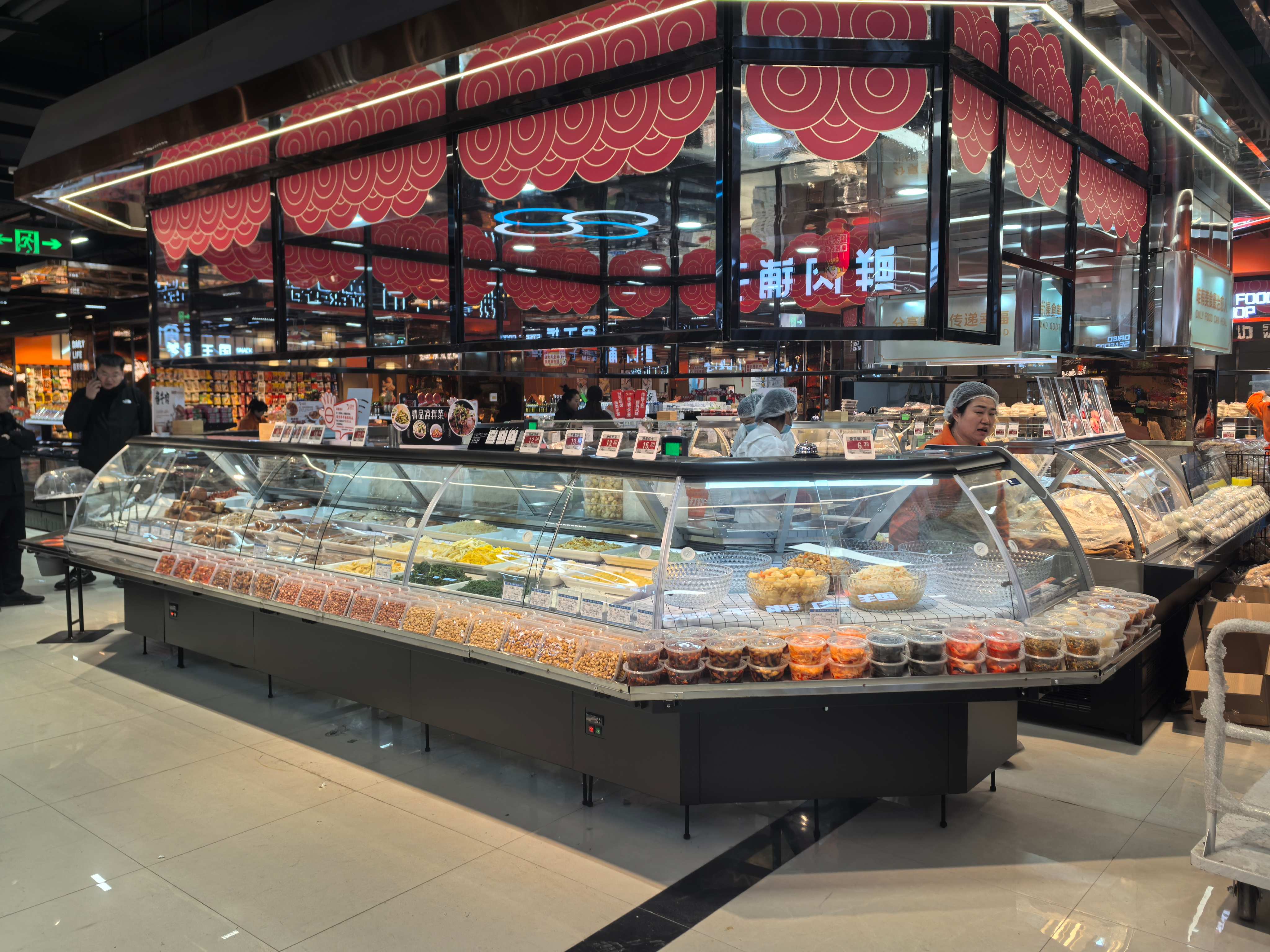
Retail space is valuable, especially in urban supermarkets and convenience stores. Affordable deli cabinets are often designed with compact footprints and modular configurations, allowing for flexible integration into different store layouts.
Retailers can choose between counter-style cabinets for assisted service areas or self-service display units for high-traffic zones. Proper placement of deli cabinets can improve customer flow, enhance product visibility, and increase sales per square meter.
By optimizing space utilization, businesses can achieve higher efficiency without expanding their physical footprint.
Maintenance and Longevity Considerations
To maximize the lifespan of affordable deli cabinets, proper maintenance is essential. While these units are designed for reliability, regular upkeep ensures consistent performance and prevents unexpected breakdowns.
● Routine Cleaning: Daily cleaning prevents bacterial buildup and maintains hygiene standards.
● Temperature Monitoring: Regular checks ensure consistent cooling performance.
● Component Inspection: Periodic checks of compressors, fans, and seals help avoid costly repairs.
● Proper Loading Practices: Avoid overloading to maintain airflow and cooling efficiency.
With proper care, affordable deli cabinets can deliver long-term performance comparable to higher-end models.
Q&A Section
Q1: Are affordable deli cabinets suitable for high-volume supermarkets?
A: Yes, many affordable deli cabinets are designed to handle continuous operation in busy environments, provided they are properly maintained and selected based on capacity requirements.
Q2: How can I ensure I am choosing a reliable budget model?
A: Focus on reputable manufacturers, check material quality, cooling performance, and energy efficiency ratings rather than just price.
Q3: Do affordable deli cabinets consume more energy?
A: Not necessarily. Many modern affordable models are designed with energy-saving features that make them highly efficient.
Q4: Can affordable deli cabinets support different types of products?
A: Yes, with adjustable shelving and stable temperature control, they can accommodate meats, cheeses, salads, and prepared foods.
Conclusion
Affordable deli cabinets have become a practical and strategic solution for retailers aiming to control costs while maintaining product quality and presentation standards. By focusing on essential features such as temperature control, energy efficiency, and durability, businesses can achieve excellent performance without overspending.
For B2B buyers, the key lies in selecting cabinets that match operational needs rather than opting for unnecessary premium features. With the right approach, affordable deli cabinets can deliver strong value, improve efficiency, and support long-term business growth.
Product Selection Recommendations
When selecting affordable deli cabinets, businesses should prioritize suppliers that offer a balance of price, performance, and reliability. Look for manufacturers with proven experience in commercial refrigeration, and evaluate product specifications carefully.
Comparing multiple options, reviewing technical data, and considering long-term operating costs will help ensure the best investment decision. By choosing the right solution, retailers can maximize savings while maintaining high standards in food storage and display.
Post time: Mar-19-2026


