
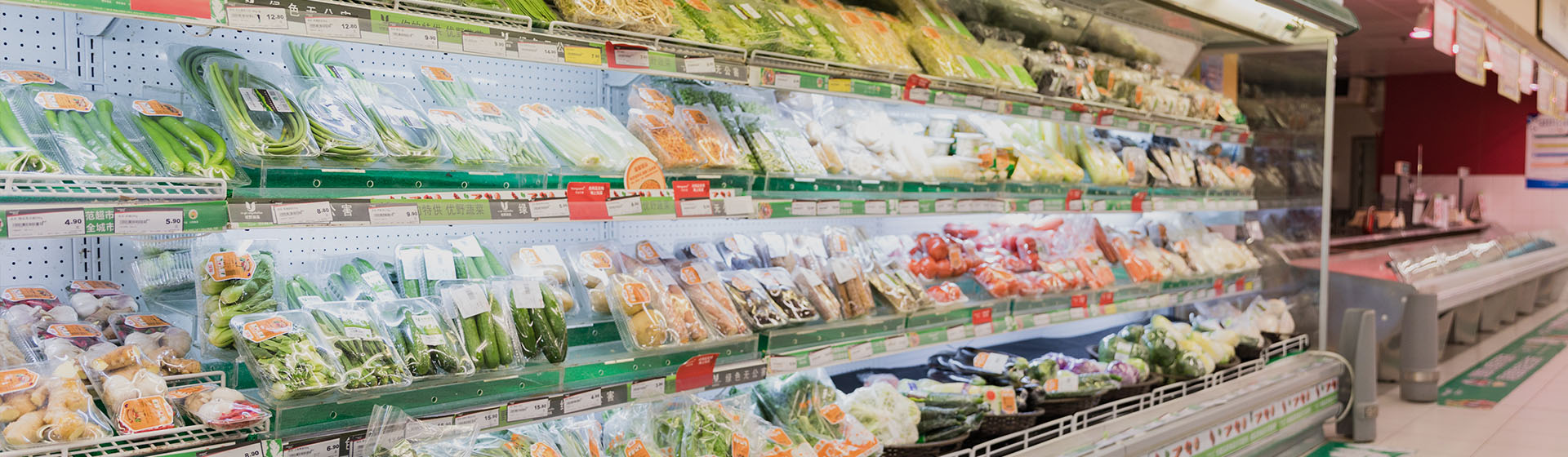
Choosing the right refrigeration equipment is no longer just a technical decision—it directly impacts merchandising efficiency, energy costs, and customer flow. For B2B retailers, air-curtain upright fridges are increasingly favored because they combine open display convenience with controlled cooling performance.
This guide expands on key decision-making strategies, focusing on real-world usage scenarios, operational impact, and performance evaluation to help buyers make smarter, long-term investments.
What Makes Air-Curtain Upright Fridges Different from Traditional Units
Air-curtain upright fridges, often referred to as open display chillers, operate without physical doors. Instead, they use a continuous stream of cold air that flows from top to bottom, forming a thermal barrier between the inside and outside environment.
This design enables quick product access while maintaining internal temperature. Compared to glass-door units, they are particularly effective in high-traffic retail settings where frequent opening and closing would otherwise lead to temperature fluctuations.
However, their performance depends heavily on environmental conditions and equipment configuration, making proper evaluation essential before purchase.
Where Air-Curtain Upright Fridges Deliver the Most Value
Not every retail environment benefits equally from this type of refrigeration. Understanding where these units perform best can help avoid mismatched investments.
● High-traffic supermarkets where customers frequently grab items
● Convenience stores requiring fast, self-service access
● Fresh food sections for ready-to-eat meals and packaged produce
● Promotional display zones to increase product exposure
In these scenarios, open access improves customer interaction and can significantly increase impulse purchases.
Airflow Design: The Core Performance Factor
The effectiveness of an air-curtain fridge depends largely on its airflow system. Poor airflow leads to temperature instability, product spoilage, and energy waste.
● Multi-layer airflow systems create stronger and more stable air barriers
● High-efficiency fans ensure consistent air circulation across all shelves
● Air return channels help recycle cooled air and maintain efficiency
A well-designed airflow system not only protects product quality but also reduces compressor workload over time.
Temperature Consistency in Open Environments
Unlike closed refrigeration systems, air-curtain fridges are more sensitive to ambient conditions such as room temperature, humidity, and airflow disruptions.
To maintain stable cooling performance:
● Units should be installed away from air-conditioning vents or entrances
● Store temperature should be controlled within recommended ranges
● Night curtains or covers can be used during off-hours to reduce energy loss
These factors are critical for maintaining consistent product quality, especially for dairy and fresh food items.
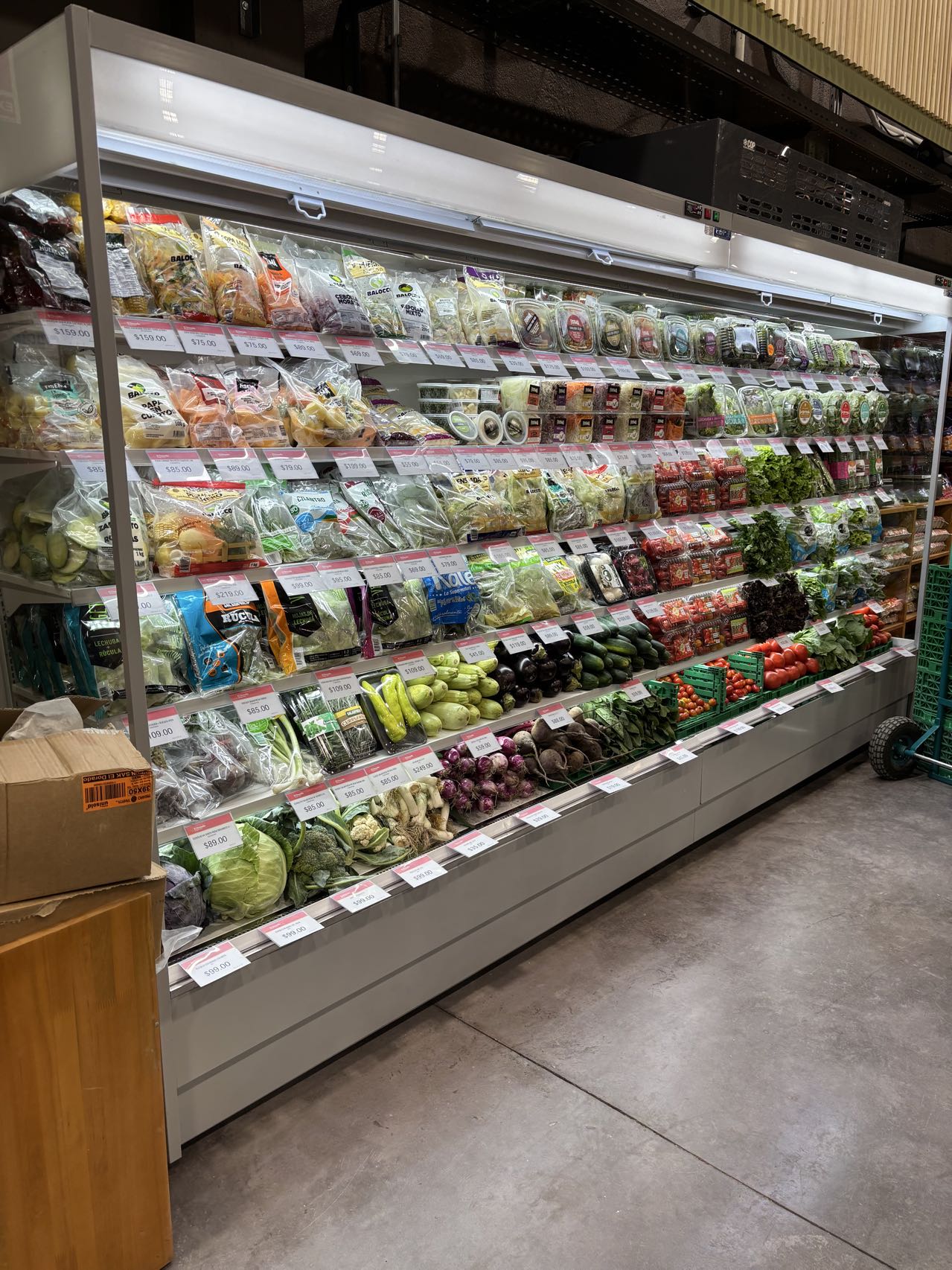
Energy Performance: Understanding Real Consumption
While air-curtain upright fridges are designed for efficiency, their actual energy consumption depends on usage patterns and installation conditions.
Key aspects to evaluate include:
● Compressor type – inverter compressors adjust output based on demand
● Insulation quality – better insulation reduces energy leakage
● Lighting systems – LED lighting minimizes heat generation
● Operational schedule – continuous operation vs. intermittent use
Retailers should assess total cost of ownership (TCO), not just initial purchase price, when comparing models.
Shelf Layout and Merchandising Flexibility
Product presentation is a major advantage of air-curtain upright fridges. However, flexibility in shelf design determines how effectively space can be utilized.
● Adjustable shelves allow different product heights
● Angled shelves improve visibility of packaged goods
● Modular configurations support seasonal layout changes
Efficient shelving directly impacts product turnover and visual merchandising strategies.
Noise and Customer Experience
In retail environments, noise levels can affect the overall shopping experience. High-performance refrigeration units should operate quietly while maintaining strong cooling output.
Low-noise fan motors and vibration-reducing compressor systems are important features, especially in smaller stores or premium retail spaces.
Hygiene and Cleaning Efficiency
Open refrigeration systems require more frequent cleaning due to exposure to ambient air. Therefore, design features that simplify maintenance are highly valuable.
● Removable shelves for easy cleaning
● Smooth interior surfaces to prevent residue buildup
● Accessible drainage systems for defrost water
Efficient cleaning processes reduce downtime and help maintain food safety standards.
Durability Under Continuous Operation
Air-curtain upright fridges often run continuously in commercial environments, making durability a key factor.
Look for:
● Corrosion-resistant materials
● Reinforced structural frames
● Reliable fan and compressor components
Long-term reliability reduces maintenance costs and prevents operational disruptions.
Smart Features and Future-Proofing
Modern refrigeration equipment is increasingly integrated with smart technologies that enhance monitoring and control.
● Digital temperature monitoring systems
● Remote diagnostics for maintenance alerts
● Energy usage tracking for optimization
These features help retailers manage equipment performance proactively and reduce unexpected failures.
Conclusion
Air-curtain upright fridges offer a powerful solution for B2B retailers seeking to balance accessibility, display efficiency, and cooling performance. However, their success depends on proper selection, installation, and usage.
By focusing on airflow design, environmental compatibility, energy performance, and operational flexibility, retailers can ensure that their investment delivers long-term value. In competitive retail environments, the right refrigeration choice is not just about storage—it is a strategic tool for improving both efficiency and customer engagement.
FAQ
1. Are air-curtain upright fridges suitable for all retail environments?
They are best suited for controlled indoor environments with stable temperature conditions and high customer traffic.
2. Do air-curtain fridges consume more energy than glass-door fridges?
They may consume more energy in certain conditions, but efficient designs and proper usage can minimize this difference.
3. How can I improve the performance of an air-curtain fridge?
Proper placement, stable ambient conditions, and regular maintenance are key to optimal performance.
4. What products are most suitable for air-curtain upright fridges?
They are ideal for beverages, dairy products, fresh foods, and ready-to-eat items that require frequent customer access.
Post time: Apr-01-2026


